
Making your own homemade detergent is a growing trend. More and more people are looking for ecological and economical alternatives to industrial products. Homemade detergents offer a simple and effective solution.
It reduces the ecological footprint while saving money. The ingredients are natural and readily available. Marseille soap, black soap, bicarbonate of soda: key elements for an environmentally-friendly laundry.
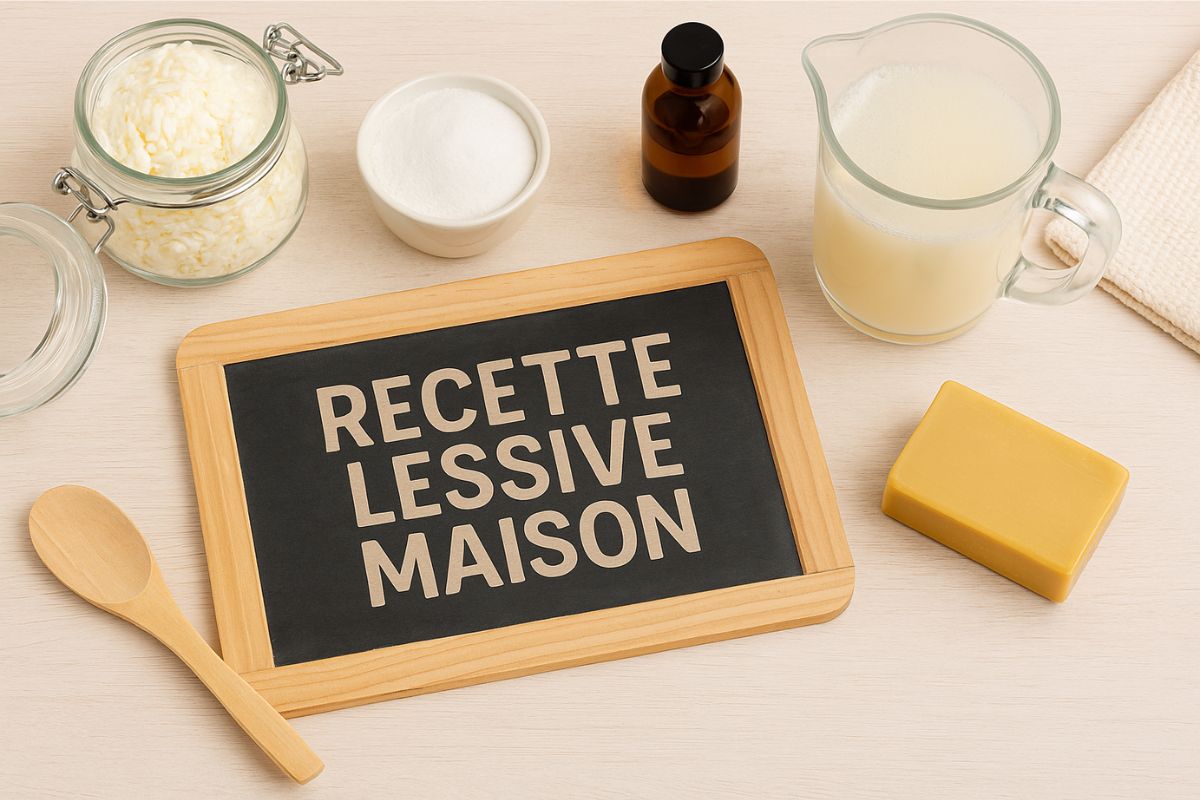
In addition to being economical, homemade detergent can be customized. You can add essential oils for a pleasant fragrance. It’s also an ideal option for sensitive skin.
Making homemade washing powder is a simple process. It takes just a few steps to produce an effective product. What’s more, it contains no harsh chemicals.
This practice helps reduce plastic waste. It’s also good for your health and the environment. Adopting homemade detergent means doing your bit for the planet.
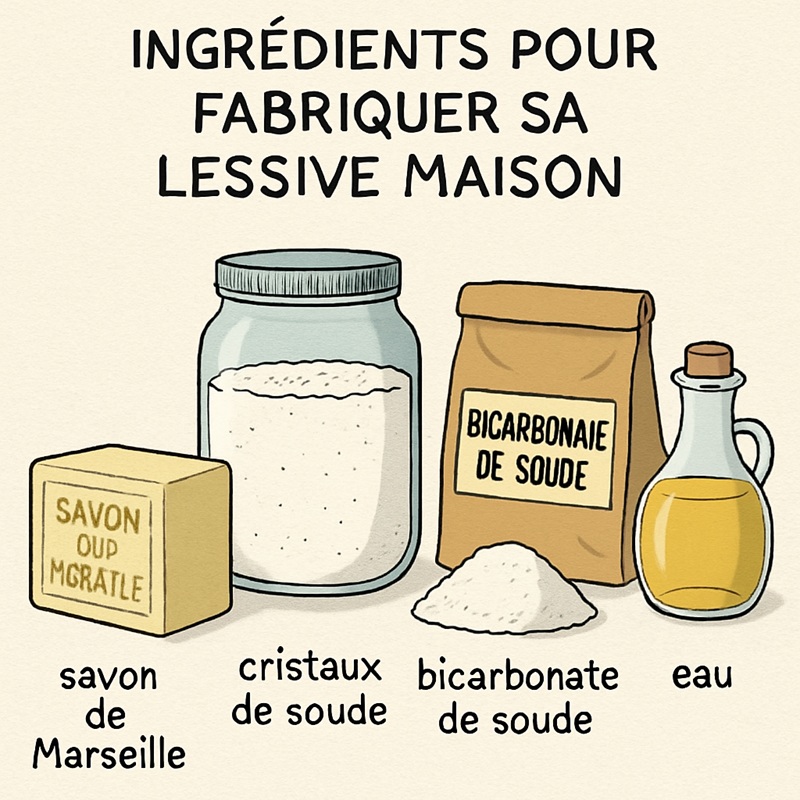
Why choose homemade detergent? (ecological and economic advantages)
Choosing homemade detergents has many advantages. Firstly, it’s much less polluting than industrial detergents. Using natural ingredients limits the impact on the environment.
In economic terms, homemade detergent is a wise choice. Costs are low, because the ingredients are inexpensive. What’s more, you can adjust the recipe to suit your needs.
Commercial products often contain harmful substances. With homemade detergents, you know exactly what’s in them. This reduces health risks, especially for sensitive skin.
Here are a few reasons to choose homemade detergent:
- Plastic waste reduction
- Fewer chemicals
- Financial savings
- Respect for the environment
It’s possible to contribute to a more sustainable lifestyle. Making your own detergent is a small gesture with a big impact. Making the transition to homemade detergent is a conscious and responsible act.
The essential ingredients for a successful homemade detergent
To create an effective homemade detergent, it’s crucial to choose the right ingredients. Marseille soap is the ideal base, thanks to its cleansing properties. Make sure you choose an authentic soap, with no additives.
Baking soda is another key element. It has disinfectant properties and eliminates odours. What’s more, soda crystals boost the cleaning power of your detergent.
Finally, choose clean water to dissolve your ingredients. Make sure it’s at room temperature. Here’s a list of essential ingredients:
- Authentic Marseille soap
- Bicarbonate of soda
- Soda crystals
- Clean water
- Black soap (if you’d like to try a variation)
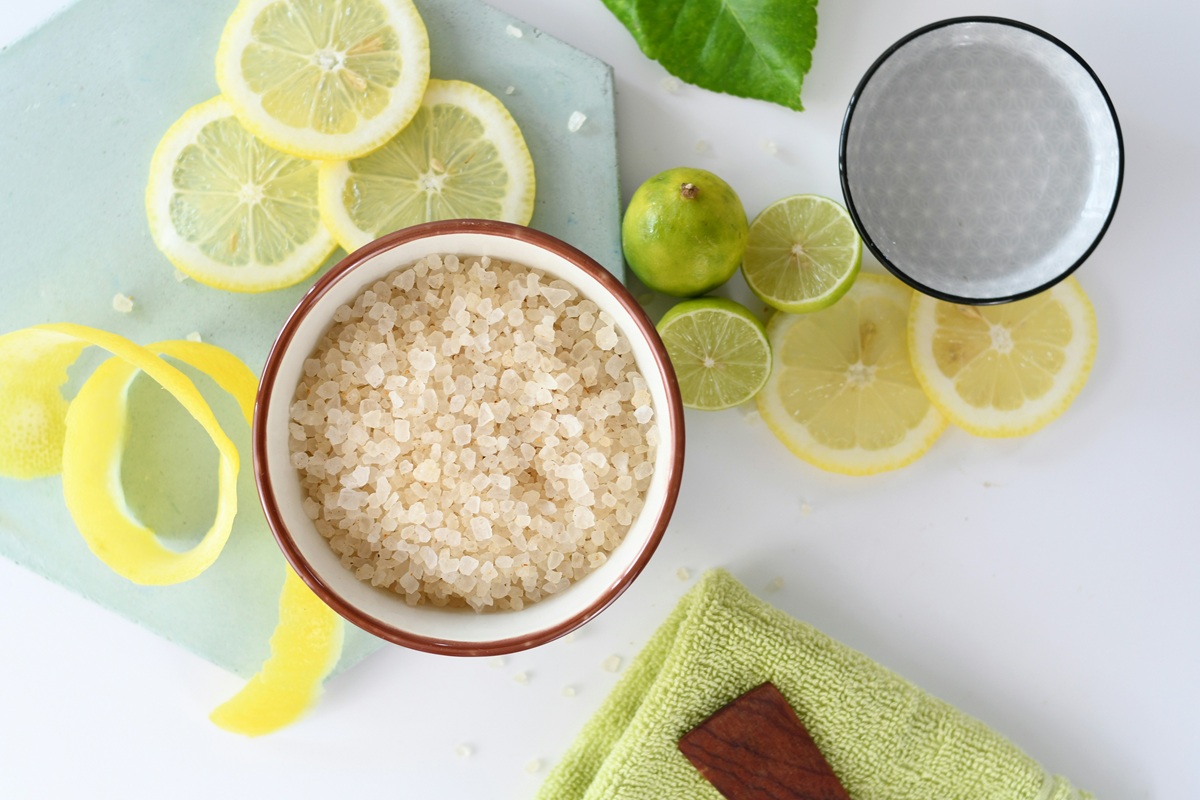
With these ingredients, you get a natural, high-performance detergent. They’re easy to find and inexpensive. Get ready to make a difference in your washing routine.
Step-by-step recipe for homemade Marseille soap detergent
It’s easy to make your own homemade Marseille soap detergent. Start by grating 50 grams of soap. Use a cheese grater to obtain small shavings.
Next, heat 1 liter of water in a saucepan. Add the soap shavings. Stir until completely dissolved.
Once the soap has melted, add 1 tablespoon baking soda. Stir well to incorporate. This step improves the disinfecting properties of your detergent.
Now add 1 liter of cold water to the mixture. Stir again to homogenize. Transfer the mixture to a large container.
To enhance the cleaning effect, add 1 tablespoon of soda crystals. This step is optional, but recommended for optimal cleaning.
Finally, leave your detergent to cool completely. Shake the can before each use to mix the ingredients thoroughly.
Summary of steps :
- Grate 50 g Marseille soap
- Dissolve in 1 liter of hot water
- Add 1 tablespoon baking soda
- Add 1 liter of cold water
- Add 1 tbsp. soda crystals (optional)
- Cool and store

With these easy steps, you can enjoy eco-friendly, economical laundry. Test this recipe and see the difference for yourself.
Variation: homemade black soap detergent recipe
Black soap is another excellent option for homemade laundry. It’s renowned for its cleaning and degreasing properties. Here’s how to make a black soap detergent.
Start by pouring 2 tablespoons of liquid black soap into a large saucepan. Add 1 liter of hot water. Mix well to dissolve the soap in the water.
Add 2 tablespoons baking soda. Stir until smooth. This increases the effectiveness of the soap in removing stubborn stains.
Finally, transfer your mixture to a clean can. Allow to cool before closing. Shake before each use for best results.
Summary of steps :
- Pour in 2 tablespoons of liquid black soap
- Add 1 liter of hot water and mix
- Add 2 tablespoons baking soda
- Transfer and allow to cool
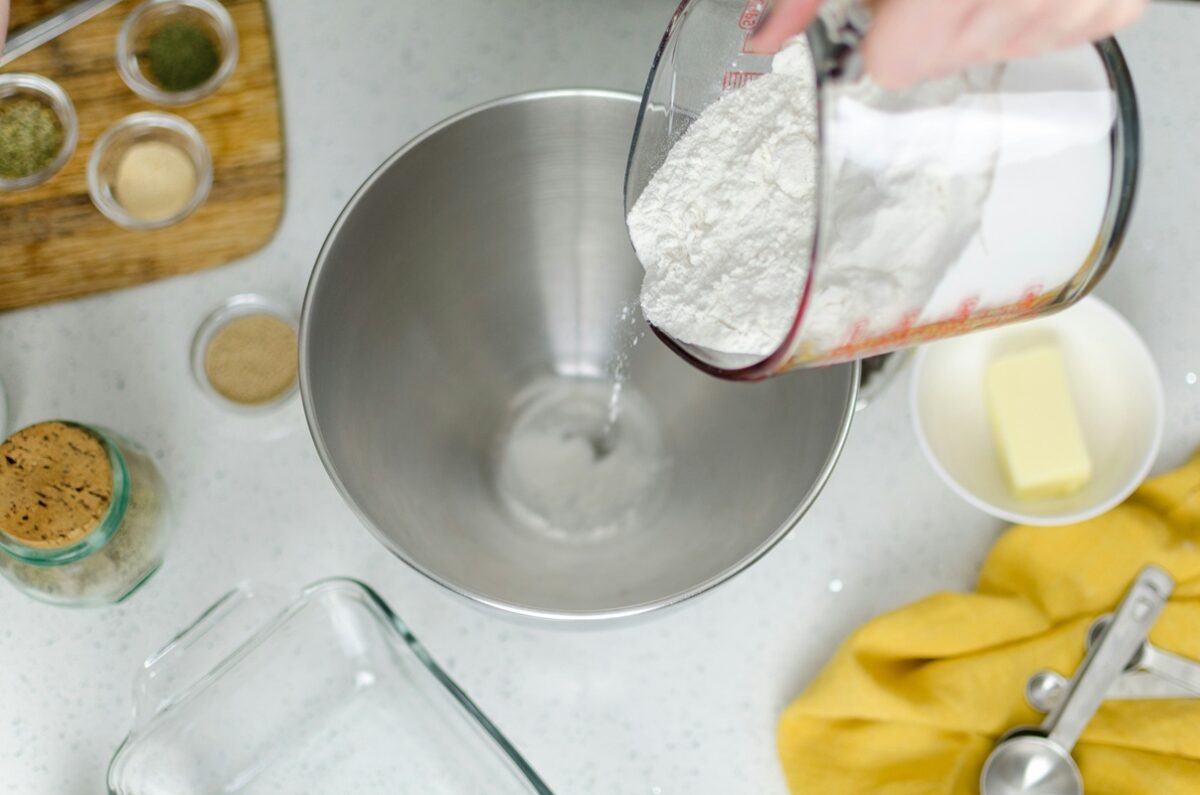
Enjoy a high-performance detergent with fewer chemical residues. This recipe is ideal for those who prefer a more concentrated alternative. Try it today and see the difference.
Tips for homemade detergent that won’t harden and stays effective
A common challenge with homemade detergent is its tendency to harden. To avoid this problem, the key is to dissolve the ingredients thoroughly during preparation. Use hot water to help dissolve Marseille soap or black soap.
Adding a little vegetable glycerine can also prevent hardening. This keeps your detergent in a liquid state. Be sure to shake the mixture well before each use.
To boost the effectiveness of your detergent, don’t hesitate to add soda crystals. They improve cleaning power on stubborn stains without compromising texture. Here are a few tips to follow:
- Dissolve ingredients in hot water
- Add vegetable glycerin
- Introduce soda crystals for a boosted effect
Adopting these practices ensures that your detergent is always ready to use. Enjoy a homemade detergent that simplifies your washing routine.
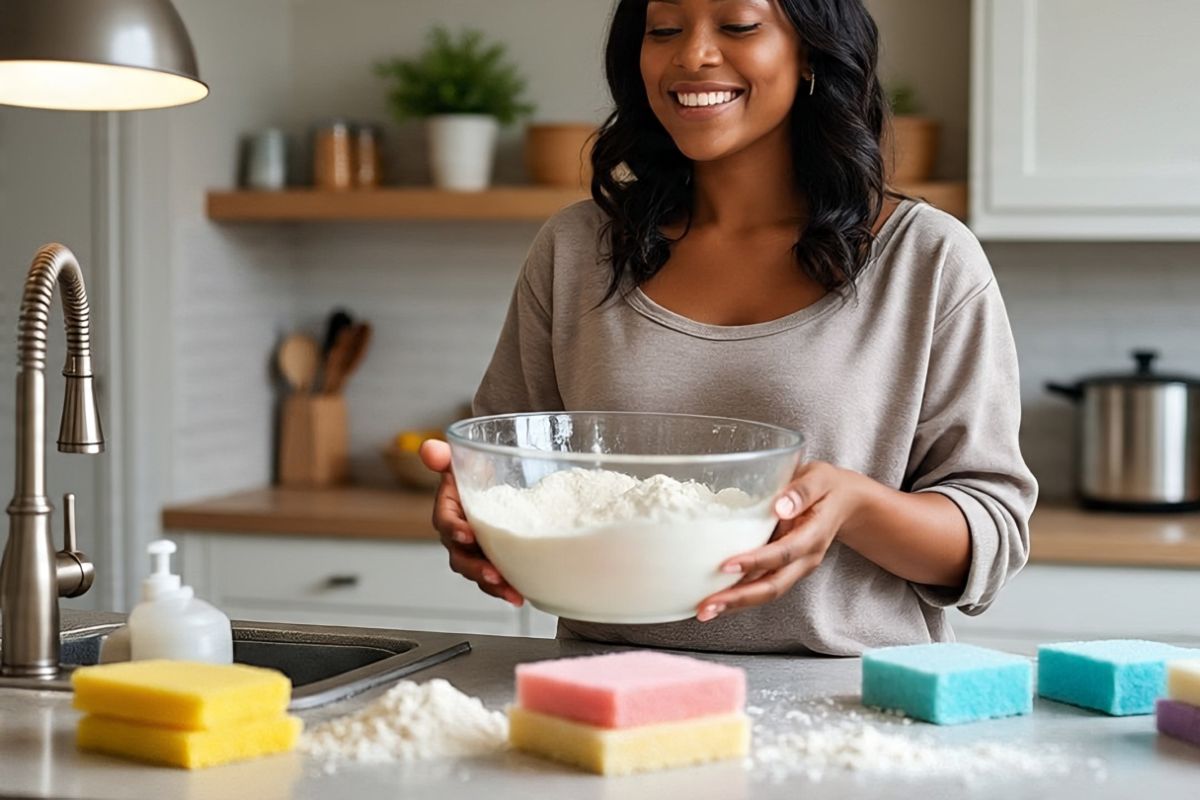
Customize your detergent: essential oils, fragrance-free options and alternatives for sensitive skin
Personalizing your homemade laundry is easy and fun. Essential oils add a sweet fragrance to your laundry. Lavender, lemon and eucalyptus are popular choices. These oils don’t just scent, they also offer antibacterial properties.
For those who prefer a fragrance-free detergent, simply omit the essential oils. Your detergent will be just as effective without the added scent. Ideal for those sensitive to fragrances.
If you have sensitive skin, choose gentle essential oils such as chamomile. Also consider recipes without bicarbonate, which can sometimes be irritating. Here are a few ideas for personalizing your detergent:
- Add essential oils: lavender, lemon, eucalyptus
- Fragrance-free option for sensitive skin
- Gentle alternatives: chamomile essential oils

Customization makes your homemade detergent unique. It meets the specific needs of your household while respecting nature. Adopt these tips for a made-to-measure detergent.
How to use and store homemade detergent
Using homemade detergent is easy. Pour about 100 ml into the drum of your washing machine. Increase the dose slightly for heavily soiled laundry.
Store your homemade detergent properly to keep it effective. Use an airtight jar to prevent evaporation or unwanted odors. Store away from direct light and at room temperature.
Shake your container well before each use. This ensures perfect homogeneity. Here are a few practical tips:
- Use approximately 100 ml per detergent
- Store in an airtight jar
- Shake before use

With these tips, your homemade detergent will always be ready to use. Proper storage guarantees long-term effectiveness. Follow these tips for clean, environmentally-friendly laundry.
Solve common problems: deposits, separation, odors, efficiency
Homemade laundry can sometimes pose specific problems. Soap scum is a common concern. To avoid this, make sure all ingredients are thoroughly dissolved.
Component separation is another concern. Shake your bottle before each use to remedy this problem. In this way, you ensure a homogeneous formula every time you wash.
Persistent odors can be a sign of inefficiency. If your laundry doesn’t smell fresh, try adding a few drops of essential oils. To increase the overall effectiveness of your homemade detergent, consider the following tips:
- Dissolve ingredients well
- Shake before use
- Add essential oils for freshness
By applying these simple tips, you’ll prolong the performance of your homemade detergent and guarantee impeccably clean laundry.

Comparison: homemade laundry detergent vs. industrial detergent (performance, health, environment)
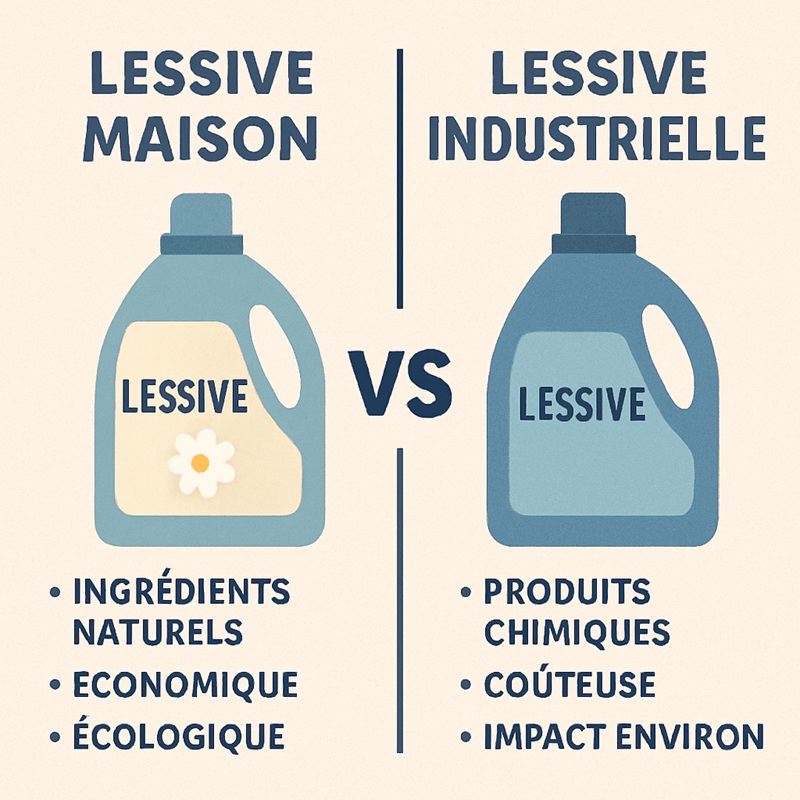
The performance of homemade and industrial detergents may seem similar at first glance. However, homemade detergents use gentle but effective ingredients, limiting wear and tear on clothes. What’s more, it’s often better for delicate fabrics.
When it comes to health, homemade detergent is a clear winner. It contains no harsh chemicals, which reduces the risk of skin irritation and allergies. It’s an ideal choice for families with children or for those with sensitive skin.
When it comes to the environment, homemade detergents win out too. It uses biodegradable ingredients and limits plastic waste thanks to reusable containers. Here’s an overview of the key differences:
- Performance: Gentle on clothing
- Health: Less irritating, no harsh chemicals
- Environment: Reducing plastic waste
Testimonials and feedback on homemade detergents
Many users express their satisfaction after adopting the homemade detergent. They note a noticeable improvement in the softness of their laundry and a reduction in sensitive skin problems. The simplicity of the recipe and the savings achieved are frequently cited in positive feedback.
Testimonials on homemade laundry also underline the ecological commitment of this practice. For many, the environmental impact plays a decisive role in their decision to switch to natural detergents. Here are a few shared experiences:
- User 1: “My laundry is softer!”
- User 2: “Ideal for my sensitive skin.”
- User 3: “I love its green impact.”
Frequently asked questions about homemade laundry detergent
Many people have questions before starting to make their own homemade detergent. Here are some of the most common questions we’ve come across. Our answers will help you make this decision with confidence.
- Is homemade laundry detergent as effective as commercial products?
Home detergents wash lightly soiled clothes well, but are often less effective than commercial detergents on stubborn stains or whites. It is more ecological and economical, but sometimes requires a one-off industrial wash for better care.
- Which containers are best for storing it?
Homemade detergent is best stored in an airtight plastic or glass bottle or jug, clean and opaque if possible. Avoid metal containers, which can react with the ingredients, and leave some space for shaking if it sets.
- Can you use homemade detergent on all types of fabric?
Yes, it’s suitable for most fabrics, but it’s best to avoid wool and silk, as soap and soda crystals can damage them. For these delicate fibers, use a special detergent or a gentle hand wash.
- Are essential oils really necessary?
No, they’re not essential: they scent the detergent but don’t really improve the wash. You can omit them without losing effectiveness.
- How can I prevent detergent from hardening over time?
Use a little more water in the recipe and mix well after cooling, then shake the container before each use. You can also replace some of the solid soap with liquid soap to limit solidification.
- Is it economical to do your own laundry?
Yes, it’s usually much cheaper than buying store-bought detergent, especially if you buy the ingredients in bulk. Savings can range from 2 to 4 times the price, depending on the recipe used.
Conclusion: use homemade detergent for a healthier, greener everyday life
Making your own homemade detergent is much more than a simple household chore. It’s an act of care for yourself and for the planet. By choosing natural ingredients, you reduce the amount of chemicals around you.
Opting for homemade laundry also means contributing to a more sustainable way of life. Every gesture counts in protecting our environment and our health. So why not start today?


Pingback: Coffee grounds: 5 great uses for your garden and home
Pingback: Posos de café: 5 usos para el jardín y el hogar
Pingback: Kaffeesatz: 5 tolle Verwendungsmöglichkeiten für Garten und Haus
Pingback: コーヒーかす:庭や家庭での5つの素晴らしい使い方