
Biodiversity is the foundation of life on Earth, but it is threatened by human activities. Find out why it’s crucial to preserve it, and how each of us can contribute to this essential cause. Let’s work together for a sustainable future!
Biodiversity is much more than just a concept; it is the very foundation of life on Earth. Preserving it is imperative for our future and that of our environment. Find out why every species counts and how you can contribute to this crucial cause.
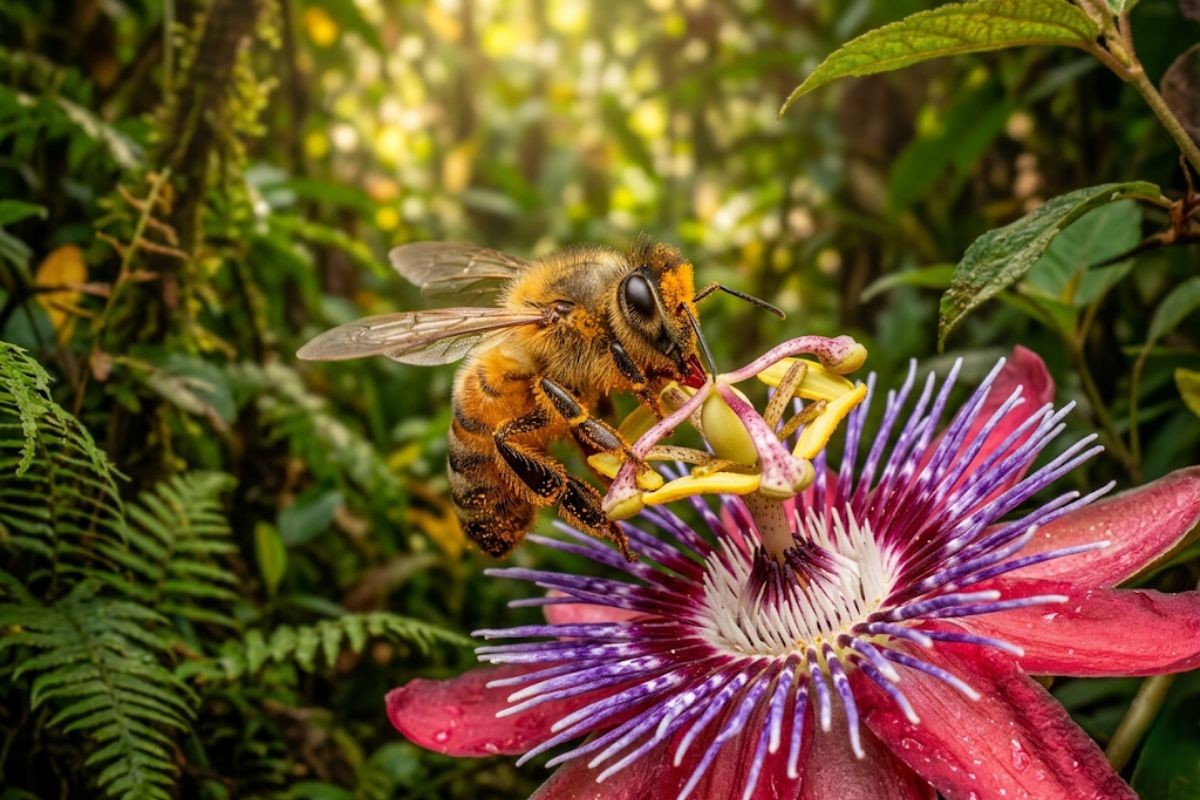
What is biodiversity and why is it vital?
Biodiversity represents all the living species on our planet, from the smallest to the largest, as well as their interactions within ecosystems. Each of these species plays a unique role, helping to regulate natural cycles and provide essential ecosystem services. These services include pollination, water purification and climate regulation, all of which are essential to our survival.
Species diversity is also an invaluable source of resources for mankind, providing vital medicines and materials. In short, biodiversity is a natural heritage that deserves our attention and protection.
Threats to biodiversity
Unfortunately, biodiversity is under increasing threat from destructive human activities. Deforestation, for example, is destroying natural habitats and causing the extinction of many species. In addition, air, water and soil pollution have devastating effects on the health of ecosystems.
In addition, climate change is disrupting natural cycles, jeopardizing the survival of vulnerable species. These cumulative threats call for immediate action to preserve the diversity of life on our planet.

The importance of ecosystems to our survival
Ecosystems provide vital services to humankind, including the regulation of regional and global climates. They are essential for crop pollination, food security and protection against natural disasters such as flooding. Biodiversity is also crucial for the development of new crop varieties and for scientific research.
Conservation of endangered species
To combat extinction, it is essential to protect endangered species. This can involve the creation of nature reserves and protected areas, providing safe havens for vulnerable species. Ex situ conservation, such as captive breeding, is also an effective method for certain species.
Reintroducing species into their natural habitat after a recovery period is another key measure. Protecting biodiversity starts with preserving its most endangered players.
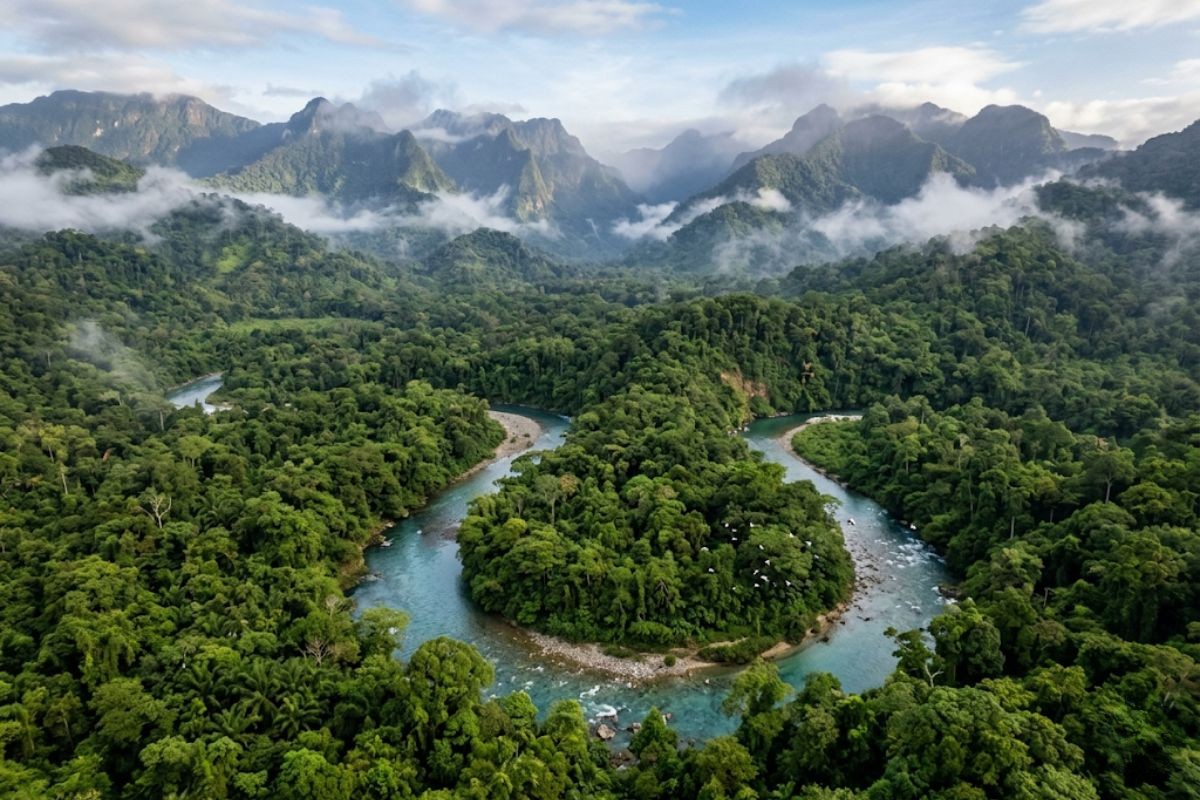
Ecosystem restoration: A strategy of hope
Restoring degraded ecosystems offers tangible hope for biodiversity. Initiatives such as reforestation, wetland rehabilitation and river decontamination are essential to restoring ecological balance. Restoring natural habitats encourages the return of species and revitalizes ecosystems.
The crucial role of nature reserves
Nature reserves and protected areas are essential tools for conservation. They protect natural habitats, provide refuges for endangered species, and enable scientific research into biodiversity. These protected areas are vital for maintaining ecological balances.

Involving local communities in protection
Local communities and indigenous peoples hold invaluable traditional knowledge for conservation. Their deep connection with nature can enrich conservation efforts. Involving these key players promotes sustainable management of natural resources and ensures a balance between conservation and development.
Policies to preserve biodiversity
To protect biodiversity, governments need to adopt robust conservation policies and laws. This includes the creation of national parks, nature reserves and strict regulations on resource exploitation. International agreements, such as the Convention on Biological Diversity, are also essential for coordinating conservation efforts on a global scale.
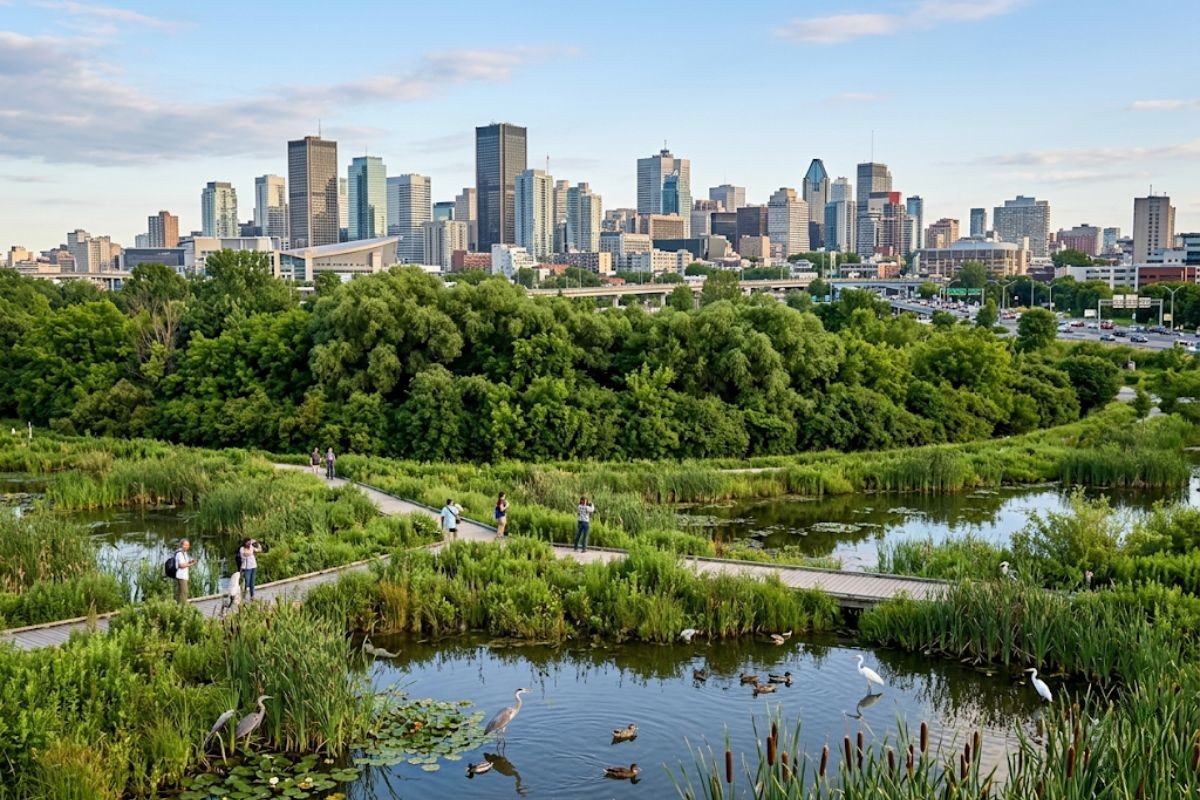
Biodiversity education and awareness
Environmental education is a powerful tool for raising public awareness of the importance of biodiversity. By informing people about biodiversity issues, we encourage them to adopt environmentally-friendly behaviors. Schools and environmental organizations play a crucial role in raising awareness.
Citizens’ initiatives for preservation
Each and every one of us can contribute to the preservation of biodiversity through simple gestures. Reducing our water and energy consumption, choosing local and sustainable products, and taking part in activities to clean up natural areas are all beneficial actions. These citizen initiatives reinforce the collective effort to protect our natural heritage.
Working together for a sustainable future
In short, biodiversity is essential to life on Earth. Preserving it is crucial for the future of our planet and that of future generations. By adopting a collective approach, involving local communities, implementing effective policies and raising public awareness, we can act together to safeguard biodiversity. Everyone has a role to play in ensuring a sustainable future. Protecting the diversity of life is not only an act of responsibility, but also a necessity to ensure our own survival and that of the natural wonders that surround us.